Sparkling Wine for Celebrations: What to Look For in a Great Bottle
27 October 2026

Sparkling Wine for Celebrations: What to Look For in a Great Bottle

What makes a great bottle of sparkling wine? From traditional method production to sweetness levels, serving temperatures and food pairings, discover how to choose Australian sparkling wine for any celebration.

Some occasions simply call for sparkling wine. Whether it is a wedding, anniversary, birthday lunch or an impromptu gathering, there is something about the sound of a cork and the first glass being poured that makes the moment feel special.

But with so many styles available, what makes a great sparkling wine?

The answer lies in balance. Freshness, acidity, fruit character and texture all contribute to the overall experience. A well-made sparkling wine should have lively acidity, clearly defined flavours and bubbles that complement the wine rather than overpower it.

Australian sparkling wine offers plenty of variety, from light, crisp styles with fresh citrus and orchard fruit notes to more complex traditional method wines that develop flavours of brioche, toasted nuts and baked apple through ageing on lees.

Neither style is necessarily better. The right choice depends on personal preference, the occasion and whether the wine is being enjoyed on its own or paired with food.

Ultimately, a great sparkling wine is one that brings together freshness, flavour and texture, making it enjoyable from the first sip to the last.

Understanding Sparkling Wine Production Methods

Not all sparkling wines are made the same way. The production method plays an important role in shaping the wine's bubbles, flavour and texture.

One of the most recognised techniques is the traditional method (méthode traditionnelle), where a second fermentation takes place inside the bottle, naturally creating the wine's bubbles. The wine then spends time ageing on its lees (spent yeast cells), which can develop additional complexity and flavours of brioche, biscuit, toast and roasted nuts alongside fresh fruit characters. This method is often associated with finer bubbles, greater texture and a more layered flavour profile.

The tank method, commonly used for Prosecco, involves a second fermentation in pressurised tanks rather than individual bottles. This helps preserve fresh fruit and floral aromas, typically producing a lighter, vibrant style.

Carbonated sparkling wines are made by adding carbon dioxide directly to still wine, generally resulting in a simpler, fruit-focused style.

Each method offers something different. Those who enjoy crisp, fresh fruit flavours may prefer tank-method sparkling wines, while traditional method wines often appeal to those looking for greater complexity, texture and subtle toasted notes. Ultimately, the quality of the fruit, winemaking decisions and overall balance are just as important as the production method.

Sparkling Wine for Food, Gatherings and Celebrations

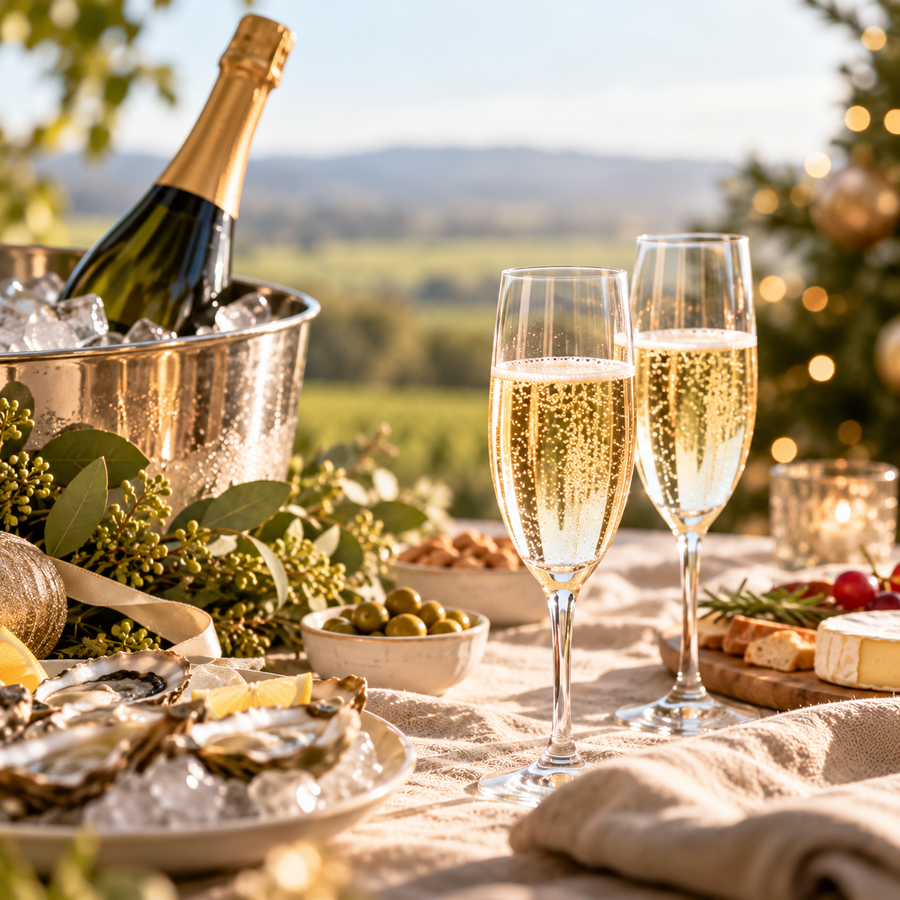
Sparkling wine is not just for special occasions. Its refreshing acidity and fine bubbles make it a versatile choice for everything from relaxed lunches and casual gatherings to weddings and anniversaries.

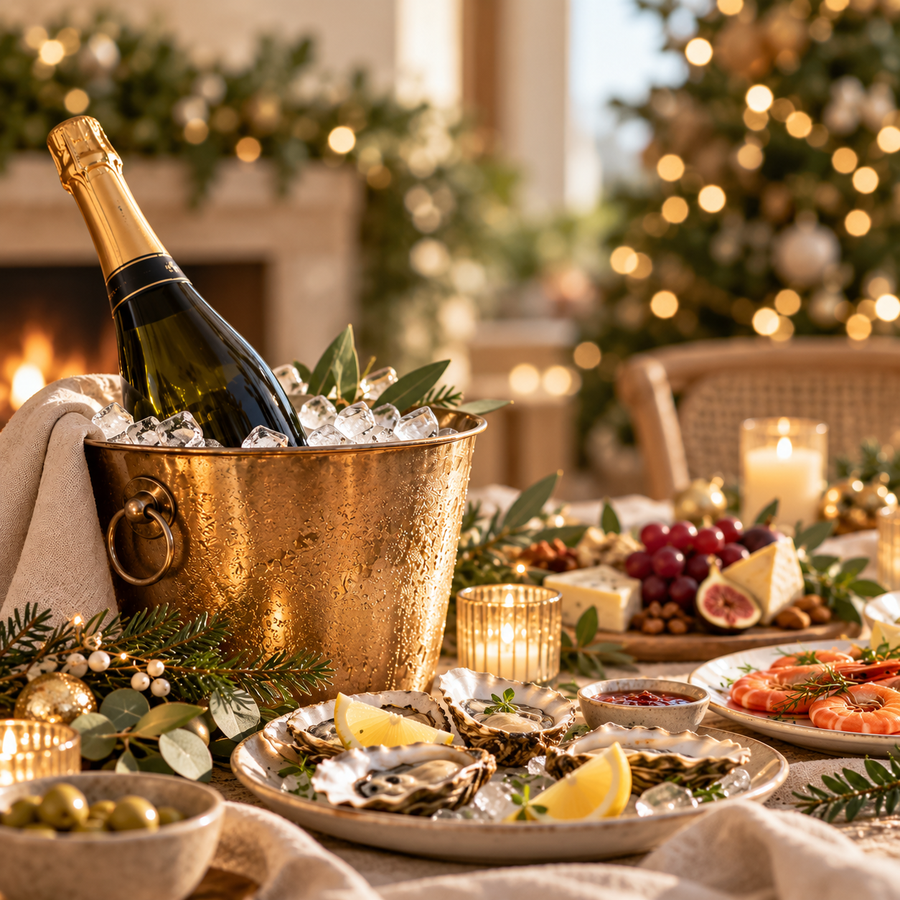
When it comes to food pairing, sparkling wine works particularly well with fresh seafood, including oysters, prawns and smoked salmon. Its acidity also complements richer dishes such as roast chicken, fried seafood, creamy cheeses and savoury pastries, helping refresh the palate between bites.

Traditional method sparkling wines, with their refined texture and subtle toasted characters, are particularly suited to special celebrations and richer dishes. Lighter, fruit-driven styles are ideal for birthdays, summer gatherings and long lunches, pairing naturally with seafood, salads and grazing platters.

Sparkling wine also makes a thoughtful gift, particularly when chosen for its regional character, distinctive style or the recipient's personal preferences.

Whether it is a wedding toast, Christmas lunch or a simple dinner with friends, the best sparkling wine is one that complements the food, the occasion and the people sharing it.

Discover Australian Sparkling Wine at Your Wine Ally

Australia produces an exciting range of sparkling wines, with styles influenced by region, grape variety and winemaking technique.

From fresh, citrus-driven wines to more complex traditional method expressions, there's plenty to discover.

When choosing your next bottle, look beyond the occasion and consider what you enjoy most in a wine. Do you prefer bright acidity and fresh fruit, or something with a little more richness and texture?

At Your Wine Ally, we believe good wine should be approachable, enjoyable and worth sharing.

Explore our Australian wine selection and find a sparkling wine for your next celebration, whether it's a milestone occasion or simply a good afternoon with friends.

Explore Sparkling Wines at Your Wine Ally.

Enjoy responsibly.

Bottle of wine with a large yellow leaf on a yellow background

The wine guide

A Few Notes from Your Wine Ally

Explore our answers to common wine questions, then discover a few bottles selected for the occasion.

Frequently asked questions

What is the difference between sparkling wine and Champagne?

Champagne is a sparkling wine produced in the Champagne region of France under specific production regulations. Australian sparkling wine is made in Australia and may use similar grape varieties and winemaking techniques, including the traditional method.

What makes a good Australian sparkling wine?

A good Australian sparkling wine should have balanced acidity, enjoyable texture, well-defined fruit flavours and a refreshing finish. Traditional method wines may also show complex characters such as brioche, biscuit and toasted nuts from ageing on lees.

Is traditional method sparkling wine better?

Traditional method sparkling wine often develops additional complexity through bottle fermentation and ageing on lees, but it isn't automatically better than other styles. Quality depends on the fruit, winemaking and balance of the finished wine, as well as personal preference.

What does Brut mean in sparkling wine?

Brut refers to a dry style of sparkling wine. Under commonly used sparkling wine sweetness classifications, Brut contains less than 12 grams of sugar per litre. It is a popular choice for celebrations because it pairs well with a wide range of foods.

What temperature should sparkling wine be served at?

Most sparkling wines are enjoyable served around 6–10°C. Lighter, fresher styles are often served at the cooler end of this range, while more complex traditional method wines can benefit from slightly warmer serving temperatures that allow their aromas to develop.

Featured products

More to read